Western Cape
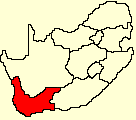
The Western Cape is situated on the southwestern tip of the African continent. 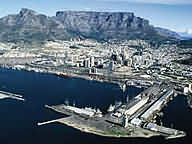 It is a region of majestic mountains, well-watered valleys, wide, sandy beaches and breathtaking scenery. It is a region of majestic mountains, well-watered valleys, wide, sandy beaches and breathtaking scenery.
The cold Atlantic Ocean along the west coast is a rich fishing area, while the warmer Indian Ocean skirts its southern beaches. Visitors to the Western Cape can disembark at Cape Town International Airport or at the Port of Cape Town in the shadow of Table Mountain. A network of roads also leads to Cape Town, the capital, also known as the Mother City. Other important towns in the province include Vredenburg-Saldanha, an important harbour for iron exports and the fishing industry; Worcester and Stellenbosch in the heart of the winelands; George, renowned for indigenous timber and vegetable produce; Oudtshoorn, known for its ostrich products and the world-famous Cango Caves; and Beaufort West on the dry, sheep-farming plains of the Great Karoo. The Western Cape boasts one of the six accepted floral kingdoms of the world. Although the smallest of them all, the Western Cape Floral Kingdom, locally called fynbos, contains more plant species than the whole of Europe. These include the world-famous protea and heather. The Knysna-Tsitsikamma region has the country's biggest indigenous forests. This is a fairyland of age-old forest giants, ferns and colourful birdlife. Products of the forests include furniture made from the indigenous yellowwood, stinkwood and white pear, and these are sought-after pieces. The tourism sector is perceived as the most important growth force in the Western Cape. The people
More than four million people live in the Western Cape on 129 386 km2 of land. The majority of them are Afrikaans-speaking, while the other main languages are English and isiXhosa. The Western Cape has the highest adult education level in the country, with only 6,7% of people aged 20 years or older having undergone no schooling. The province has a strong network of higher educational institutions, including three universities, two technikons and many other training institutions. Agriculture and marine fishery
The Western Cape is rich in agriculture and fisheries. The sheltered valleys between the mountains provide ideal conditions for the cultivation of top-grade fruits, such as apples, table grapes, olives, peaches and oranges. In the eastern part of the Western Cape region, a great variety of vegetables is cultivated. The province can be divided into three climatic regions. The area around the Cape Peninsula and the Boland, further inland, is a winter-rainfall region with sunny, dry summers. Towards George, along the south coast, the climate gradually changes to year-round rainfall, while inland, towards the more arid Great Karoo, the climate changes to summer rainfall.
The Western Cape is known as one of the world's finest grape-growing regions. Many of its 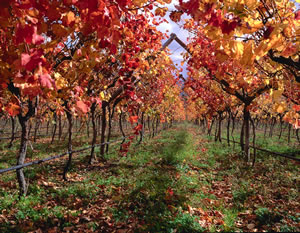 wines have received the highest accolades at international shows. The Klein Karoo region around Oudtshoorn, besides being famous for its Cango Caves, is the centre of the ostrich-farming industry in South Africa. Fine leatherware, ostrich feathers and meat are exported from here to destinations all over the world. The Swartland district around Malmesbury and the Overberg at Caledon is the bread basket of the country. wines have received the highest accolades at international shows. The Klein Karoo region around Oudtshoorn, besides being famous for its Cango Caves, is the centre of the ostrich-farming industry in South Africa. Fine leatherware, ostrich feathers and meat are exported from here to destinations all over the world. The Swartland district around Malmesbury and the Overberg at Caledon is the bread basket of the country.
The inland Karoo region around Beaufort West and the Bredasdorp district produce wool and mutton, as well as pedigree merino breeding stock. Other animal products include broiler chickens, eggs, dairy products, beef and pork, while racehorse-breeding is another important industry. The west coast of the province is washed by the cold Benguela Current. The plankton-rich current is considered to be one of the world's richest fishing grounds. This resource is protected against over-fishing by foreign vessels by means of a 200-km commercial fishing zone and a strict quota system. It is for the exclusive utilisation of local inhabitants, and creates jobs for about 27 000 people who are directly dependent on the fishing industry. The province is well known for its wide variety of seafoods offered at restaurants dotted along the scenic coastline. Snoek, Cape lobster, abalone, calamari, octopus, oysters and mussels are among the most sought-after piscatorial delights. Industry
The head offices of all but one of South Africa's petroleum companies are located in Cape Town. The city also houses the head offices of many of South Africa's insurance giants and national retail chains. With over 170 000 people employed in the clothing and textile industry, it is the single most significant industrial source of employment in the Western Cape. The biggest segment of South Africa's printing and publishing industry is also situated in Cape Town. The official unemployment figure for the province, 13,7%, is substantially lower than that of most other parts of the country. While Epping, Parow, Retreat and Montagu Gardens have been the core industrial areas in the past, new developments are arising in the Saldanha-Vredenburg area, as a spin-off from the vast Saldanha Steel project.
Kindly supplied by The Director of South African Tourism |